The heel that launched a style revolution
A wobble on the catwalk in 1971 nearly ended Manolo Blahnik’s career, but instead, it inadvertently birthed a Fashion trend. What was initially a disastrous oversight – the absence of steel pins in the heels of his shoes for Ossie Clark’s show – was reinterpreted by the press as a deliberate artistic statement, a “new way of walking,” as christened by the ever-observant Sir Cecil Beaton.
A century of spectacle: the evolution of the fashion show
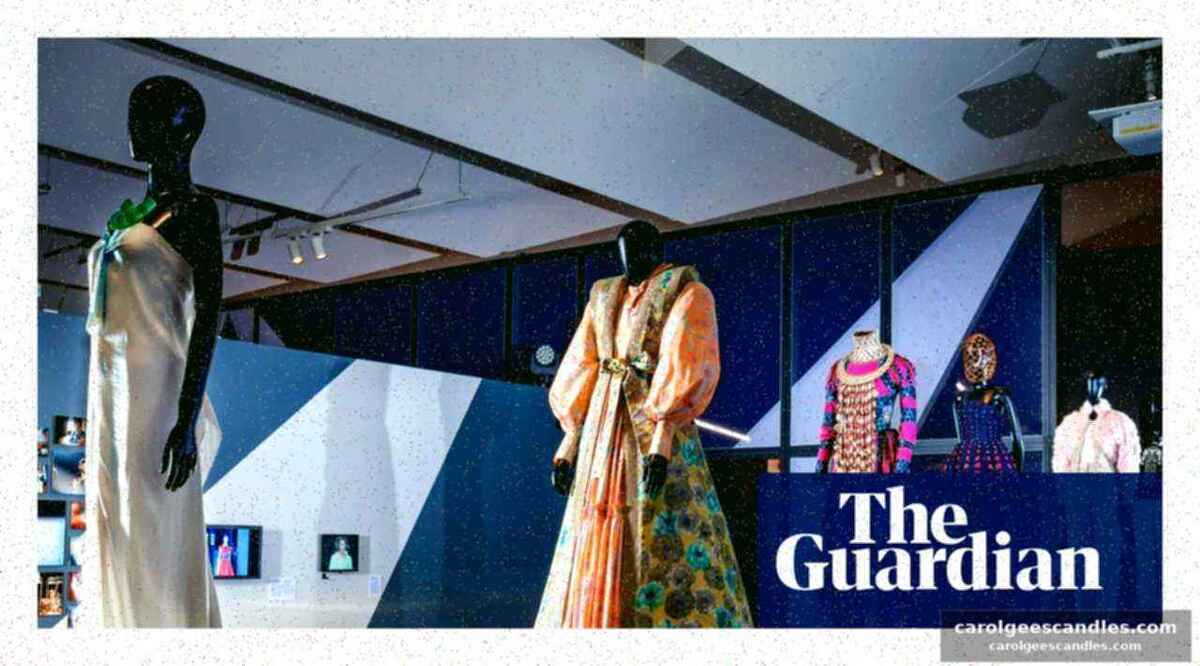
The story, now a footnote in Fashion history, is just one glittering treasure at Catwalk: The Art of the Fashion Show, the new exhibition at V&A Dundee. The show, a collaboration with the Vitra Design Museum, traces more than a century of Fashion presentations, from the intimate salons of 19th-century London and Paris to the bombastic spectacles we know today. Leonie Bell, the museum’s director, rightly notes, “The Fashion show influences every single thing that we choose to wear and what we’re able to buy, so we’re trying to show that.”
Dundee's location is particularly apt; Scotland's contribution to fashion is often overlooked. From the Empire Exhibition at Bellahouston Park in 1938 to Dior’s 1955 shows at Glasgow’s Grand Central Hotel and Gleneagles, and a recent return to Drummond Castle in Perthshire, Scotland has consistently been a stage for high fashion. The exhibition even spotlights the work of contemporary Scottish designers, including a striking orange and white dress from Christopher Kane’s debut collection – a timely inclusion given Kane’s recent appointment as creative director of Mulberry.
What began as a discreet presentation to elite society women has transformed into a cultural phenomenon. Svetlana Panova, co-curator of the exhibition, explains that the 20th century saw shows migrate “to where people gather” – gardens, ocean liners, even horse races – effectively turning them into powerful marketing tools.
From haute couture to stomping beats
The rise of ready-to-wear in the 50s and 60s further amplified the energy of the catwalk. Gone was the stilted formality of haute couture; in its place, models began to stomp and dance to funky music, showcasing Paco Rabanne’s audacious metal mirror dress or Mary Quant’s iconic burgundy vinyl raincoat. The exhibition deftly captures this shift with looping screens showcasing key moments, illuminating how fashion shows evolved into immersive, theatrical events—global cultural occasions instantly broadcast via livestream and Instagram.
The late 1980s marked a turning point, driven by the rise of luxury conglomerates. Panova points out, “Fashion houses become part of this big portfolio of assets, it’s not just about the clothes, they start producing many different product categories.” Consequently, fashion shows became laser-focused on crafting a brand fantasy, demanding greater ambition and resources.
Consider Karl Lagerfeld’s 2018 Chanel show in Paris, where a purpose-built rocket blasted off from the Grand Palais. The exhibition brilliantly recreates this moment, projecting footage onto a screen and displaying a scale model of the set, alongside props like the Chanel-branded megaphone wielded by Cara Delevingne and Gisele Bündchen during a feminist-themed protest on the runway.

Beyond the runway: invitations & backstage chaos
Even the seemingly mundane – invitations – have become integral to the spectacle. The exhibition showcases a tennis-net invitation from Lacoste, Jonathan Anderson’s collarette for Dior, and a Balenciaga invitation presented as a worn wallet, a testament to Demna Gvasalia’s disruptive approach. The scented paper envelope accompanying Balenciaga’s 2020 pandemic show, designed to evoke “dust and archives… money, power, and blood,” exemplifies the show’s unsettling atmosphere.
While the fashion show may appear elitist, Catwalk demystifies the process, offering a glimpse behind the curtain. The exhibition recreates the backstage chaos with displays of makeup artist Val Garland’s kits and Sam McKnight’s eclectic wigs, revealing the collaborative effort behind each show. “Nobody is working in isolation,” emphasizes Bell, “They’re working with makeup artists, photographers, hairdressers, people pinning this and that.”
Ultimately, Catwalk demonstrates that fashion's evolution is inextricably linked to broader social and cultural shifts, from Quant’s miniskirts to the digital experimentation of the pandemic era. The runway is not an isolated event, but a dynamic force that both reflects and shapes our culture – a lesson applicable to everyone, regardless of whether they’ve ever secured a front-row seat. The exhibition leaves you with a newfound appreciation for the audacious creativity—and occasional wobble—that defines the world of fashion.